

We arrived in Vermont on Sunday in the midst of a blustery storm. The winds, gusting from the north as they often do here, produced waves on the lake which, set against the grey sky, made the lake feel more like the North Atlantic. On days like these, it’s easy to imagine that Lake Champlain was an inland sea many thousands of years ago.
I woke this morning to the pre-dawn light and the lake was like glass. Not a ripple could be seen, except those created by the family of otters that live among the rocks along our beach and shoreline. The sky was clear as hues of sunlight emerged from behind the Green Mountains to the east, dappling the water with shimmering gold.
The natural world reminds us that the only constant in life is change. Evolution, growth, adaptation - these are all coded deeply in our DNA. And yet, most of us meet moments of change with wariness or even fear: the greater the change, the greater the fear. That, too, is deeply coded into our DNA. It is the survival instinct in action: “What is this thing? I don’t know what it is. Is it a threat to me, to my family?” From the beginning of time, humans have asked these questions. We survived because they did.
It shouldn’t come as a surprise, then, that as we face the scope and scale of change happening in our world in the AI era: global, structural, and accelerating at an unparalleled pace, that there is considerable anxiety afoot. Many fear for their jobs or livelihoods. Others are worried about the role AI already plays in how we interact and even how we think. While the technology may be novel, the fears it has elicited are not.
So how do we respond constructively and creatively to this moment? Each of us will have our own answers, but there are some universal opportunities in this to consider.
First: ground in the big picture. We’d do well to remember that we are nature. We are derived from the very substance of the earth and cosmos: the elements and minerals that make up the stars and the mantle of our home planet. We are, quite literally, stardust. And we are woven into the fabric of the whole pattern of life on earth in all its complexities, uncertainties, and ineffable beauty. If you are reading this, chances are you are human, part of the species homo sapiens, who have been walking this 4.5 billion year old planet for 100,000-300,000 years. It’s almost impossible to comprehend the amount of change our species has seen, and has created, during our relatively brief time here.
Second: ground in the small picture. Your daily habits shape your world. They ultimately shape who you are. Think about the activities that make up your daily life, especially those that don’t involve screen time: making coffee in the morning, walking the dog, preparing meals, stretching, meditating. Whatever it is you do each day outside of screens, think about how those activities define your day, your life, your identity. What matters most to you, as reflected in your daily activities? Do they help you feel more grounded, more connected, more human? Is there anything you want to change, to add or remove from your list? Why or why not? This is an invitation to become the architect of your own human life, one small daily action at a time.
Third: ground in the movement between the two, the big and the small. We are all a small part of much larger stories: the story of humanity, the story of earth, and both are ever-evolving. The oscillation between the two reminds us to honor the evolution itself as a process, not just an outcome, of our efforts.
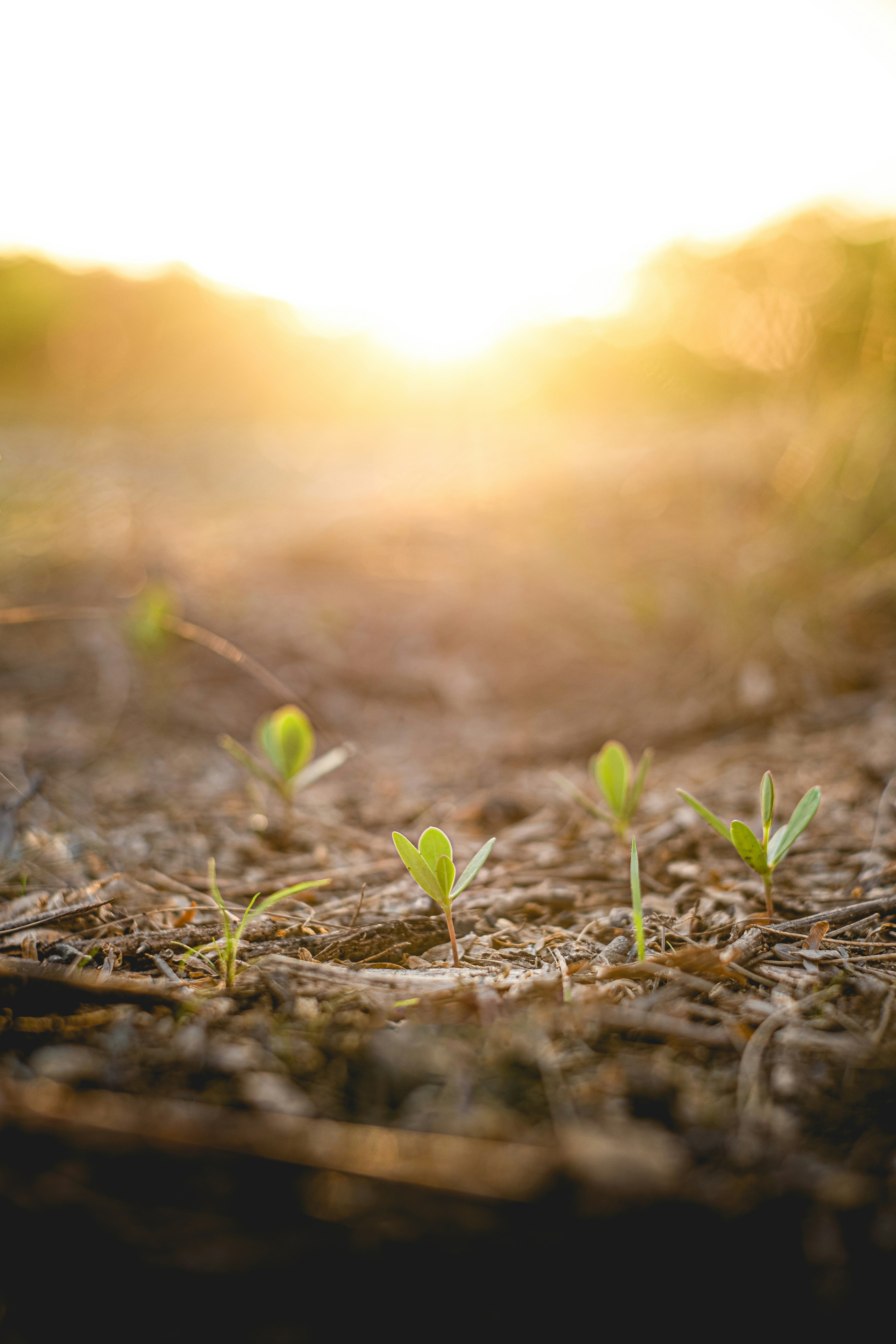
It is the daily tending of the garden of our lives, honoring the collaboration between us and that mysterious force that grows the carrots, tomatoes, and pea shoots. If last week’s question about work in the AI era is “What are you building?” this week’s asks: “What are we growing?”
For all of our accomplishments and capabilities, we can’t force the growth. We do our part: watering, weeding - the daily actions of tending and care. But the process itself has its own timetable. It’s governed by the very laws of the natural world that gave rise to all of life on earth, including us.
None of this changes in the AI era. We are still here. We are still human. We are still, like all other life on earth, beholden to the laws of the natural world and how things work around here. And nature, like us, is constantly changing. May we find comfort in the steadfast daily-ness of our lives as well as the constancy of change. By doing so, may we meet this pivotal moment with all the humanity we can.
- S
.